What the calculator uses
The calculator uses height, inseam and bike category: road, MTB, trekking/city, gravel, e-bike and kids bikes. Inseam is especially important because it describes the relationship between legs, frame clearance and saddle height.
When the inseam is left empty, BikeSize estimates it from your height. That estimate is a useful starting point, but a real measurement is always more reliable.
Indicative formulas
Frame size uses widely known formulas as a first approximation, combined with reference tables for commercial sizes. The calculator does not apply a single formula to every bike: the factor changes with the category, and the result is then checked against realistic ranges.
| Bike type | Frame estimate | Note |
|---|---|---|
| Road bike | inseam × 0.67 | result in centimetres, to compare with geometry and brand chart |
| MTB | inseam × dedicated factor | also converted to inches where useful |
| Gravel / trekking | intermediate factors | favour control, comfort and standover |
| E-bike / kids | dedicated tables | weight, frame access and wheel size matter more than the formula |
| Saddle height | inseam × 0.883 | initial estimate, to fine-tune on the actual bike |
These formulas are not a universal rule. They are a starting point, to be compared with the geometry of the specific model and with a real test ride when possible.
Why geometry matters
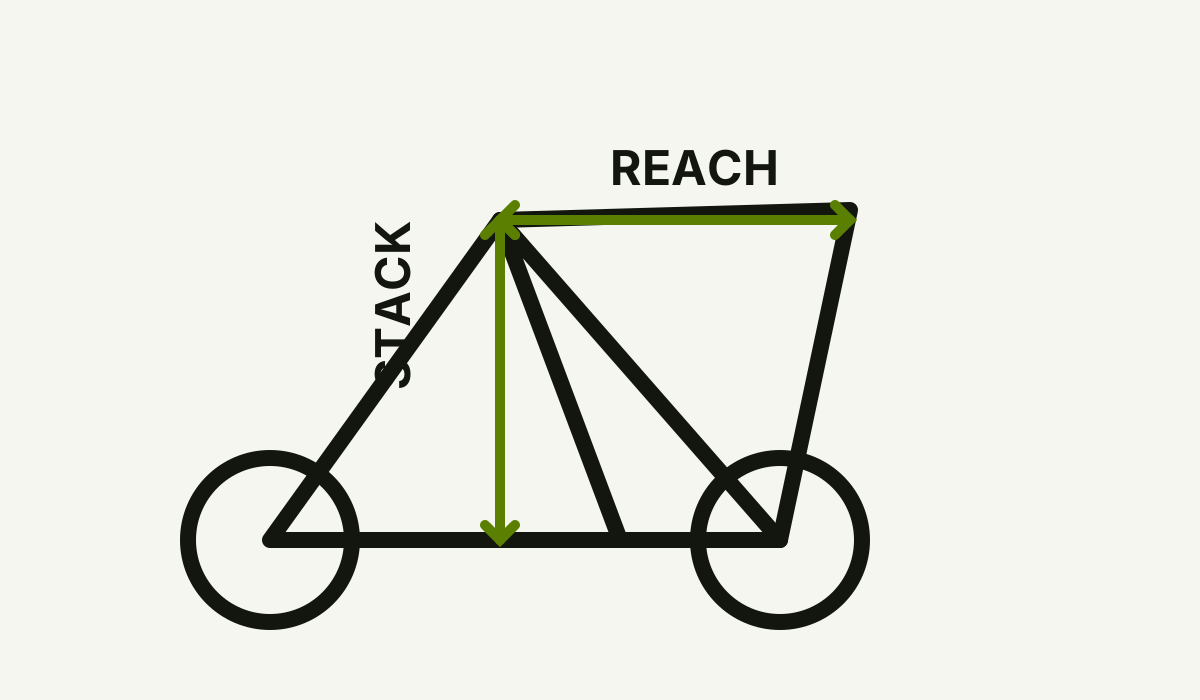
Two bikes with the same letter size can feel different. Stack, reach, standover and model intent change the real riding position, so the result should always be compared with the brand chart.
Independence
BikeSize is not tied to any bike brand. The result does not favour specific manufacturers or models. Any future commercial links will be kept separate from the calculation method and disclosed transparently.
Limits
The calculator does not fully account for torso and arm length, flexibility, injuries, asymmetries, cleats, pedals, handlebar width or sporting goals. If you have pain, competitive requirements or serious doubts, you need a real test ride or a professional bike fitter.
Correct use
Use BikeSize as a first filter: find a plausible range, read the explanation, compare the geometry and then test the real bike when possible.
The result is an estimate, not a medical assessment or a complete bike fitting.